
Eteteonline Editorial
Social media are media technologies that make it easier for members of online communities and networks to create, share, and aggregate material, including ideas, interests, and other kinds of expression.
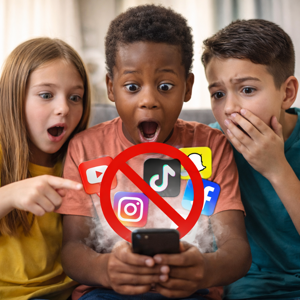
The services provided by social media are available to adults and children. While there are risks for children, social media also offers benefits like connectivity, access to learning resources, creativity, and self-expression.
In recent years, however, there have been general concerns about the detrimental impact of social media on youngsters.
Some countries have attempted to restrict, regulate, or outright prohibit children’s and youths’ use of social media due to the negative effects on them. In December 2025, Australia enacted a law banning children under 16 from using major social media.
A number of other nations are developing plans to prohibit children under the age of sixteen from using social media, following Australia’s lead. Spain (under 16), France (under 15), Denmark (under 15), and Malaysia (16) are among them.
The legislature in some countries, among them Greece, Italy, Norway, the United Kingdom, and the United States, is having serious discussions and considering various proposals on how to deal with the issue of banning access by children to social media.
Other nations that restrict children’s access to social media include China, the Netherlands, and Canada.
The actual state of Nigerian children’s digital exposure is alarming. Social media has a detrimental effect on young people in Nigeria by causing anxiety, depression, and low self-esteem because of social comparison, cyberbullying, and unattainable beauty standards. It also interferes with sleep, encourages addiction, diverts attention from academics, exposes them to inappropriate content or predators, and increases risks when used excessively.
It warps reality, lessens in-person communication, and can result in major problems like suicidal thoughts.
In Nigeria, social media has had a detrimental effect on children’s mental and emotional well-being. Social media addiction in kids has resulted in sleep deprivation and academic problems. Screen usage interferes with sleep patterns, which are crucial for the development of a healthy brain, especially before bed. Productivity is decreased by constant notifications and information streams that divert attention from family time, exercise, and homework.
According to studies, teens’ and young people’s access to social media causes significant distractions, impairs their ability to learn and understand what is being taught in class, and increases their likelihood of cheating on tests. Instructors in both public and private schools lament that pupils are unable to put down their phones long enough to learn.
According to research, social media can encourage worry, fear, social alienation, and the swaying of public opinion.
Youngsters have been exposed to damaging material that encourages risky behavior, eating disorders, or self-harm. Cyberbullying is on the rise and frequently goes undetected because of stigma. Excessive usage of social media can have behavioral and psychological effects, such as anxiety, distraction, and fragmented attention.
Predators take advantage of unregulated online environments, targeting young people and teenagers in particular.
Nigeria does not restrict or ban children from social media, but it has laws that protect them. The Child Rights Act (CRA) protects children from sexual abuse, exploitation, and degrading treatment, and provides penalties for violations, including those that occur online. It provides that all acts involving children must consider their best interests.
The Cybercrimes (Prohibition, Prevention, etc.) Act 2015 addresses crimes involving social media and includes safety for children online. The protection encompasses child pornography, distribution of obscene content, cyberstalking and harassment, and enticing a minor online for sexual purposes.
However, like other laws, the difficulty is the dearth of enforcement. It is vital to stress that the lack of awareness of these rules by victims and their guardians creates a serious issue for enforcement.
Parents are encouraged by experts to keep their kids off social media until they are at least 16 years old. Restricting usage by minors could lessen their exposure to dangerous material.
Nigeria needs to mentor young people and restrict their exposure to harmful content on social media. Nigeria needs to make sure that the right laws are in place to safeguard children.
Considering the bad impact of social media on children and young people in Nigeria, many people have suggested that the greatest method of protection is to restrict them (under 13, under 15, or under 16) from using social media. Others think that access ought to be strictly regulated.
What steps should Nigeria take to shield kids from the negative effects of social media? Have your say.



Add comment