
By Eteteonline
Political violence has been part and parcel Nigeria’s history, dating back to the First Republic. The political violence in the Western Region usually tagged the “Wild Wild West” contributed to the January 15, 1966 coup that toppled the civilian administration of Abubakar Tafawa Balewa and led to the outbreak of the civil war in 1967.
From the return to the Second Republic democratic government of Alhaji Shehu Shagari and Babangida/Abacha’s defunct Third Republic to Abdulsalami’s Fourth Republic (1999 – date), violence has inundated Nigeria’s political landscape. In the past, there were reports of the arming of thugs, jobless youths, cultists, criminal gangs, and foreign jihadists for election purposes. When the elections were over, these armed individuals will use their weapons for criminal activities. There have been pre- and post-election violence that claimed thousands of lives in Nigeria since 1999. This prompted the former president, Goodluck Jonathan to remark that his election as president was not worth the blood of any Nigerian.
As Nigeria prepares for the 2027 general elections, an atmosphere of violence is gradually descending on the country. There are tensions here and there, which should not be ignored. Some politicians want to win an election at any cost, even if it means employing violence to achieve their objectives.
Two persons were killed and numerous others were injured when the All Progressives Congress (APC) ward congress in Ondo State descended into violence in the middle of February in the Idanre Local Government Area. Less than twenty-four hours had passed since political thugs stormed the APC Secretariat in Akure, interrupting a stakeholders meeting led by the party’s state chairman. Numerous people were hurt during the assault, which also targeted the chairman and other party leaders.
Mr. Peter Obi, the former governor of Anambra State and the Labour Party’s presidential candidate in the 2023 general election, reportedly survived a suspected murder attempt in Edo State sometime on February 24. When gunmen opened fire on a convoy of opposition politicians at the Benin City home of former APC chairman Chief John Odigie Oyegun, Obi, one of Nigeria’s most well-known opposition politicians, barely avoided the onslaught.
A 26-year-old teacher named Udeme Stephen has been arrested by the Department of Service (DSS) for allegedly being involved in the attack on Mr. Peter Obi and other opposition figures in Benin City. The suspect is being held by the DSS and is anticipated to face charges.
As the Independent National Electoral Commission (INEC) has announced the timetable for the 2027 general election, the stakes are now very high and political violence would certainly rise. During the past general elections in Nigeria, the former International Criminal Court (ICC) Prosecutor, Fatou Bensouda, had warned that perpetrators of political violence would be prosecuted.
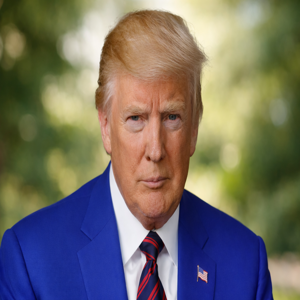
With the interest shown by President Donald Trump in Nigeria’s security and stability, some persons think that the American President should extend his counterinsurgency operations to include political terrorists. On Christmas day in 2025, Trump ordered military strikes on terrorist camps in Sokoto State. He has also sent equipment and troops to train Nigerians in counterinsurgency, in addition to imposing sanctions on certain individuals associated with terrorism. Should President Trump include political terrorists in his campaign to end insecurity in Nigeria. Have your say.



Add comment