
By Eteteonline
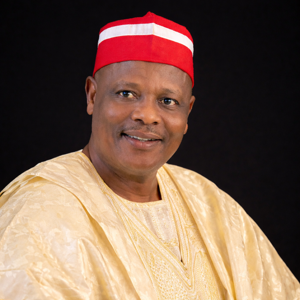
Political negotiations between Senator Rabiu Musa Kwankwaso, NNPP national leader and former governor of Kano, and the ruling APC reportedly fell apart because the criteria Kwankwaso imposed were considered as excessively demanding and impracticable by APC leaders.
Kwankwaso made important demands on the APC. According to sources, Kwankwaso wanted numerous substantial concessions before deciding to join or align with the APC, including:
• Control of the APC’s internal structures – According to reports, Kwankwaso desired up to 20% of the APC’s national structure, which is a significant portion for a non-party member. According to APC sources, this was viewed as “unrealistic” right away.
• Vice-Presidential seat – Kwankwaso also requested guarantees regarding getting the vice-presidential seat for 2027 — even though that position was already apparently filled. Leaders of the APC denied that such an agreement was being considered.
• Long-term influence through 2031 – It has been reported that Kwankwaso sought guarantees that would have an impact into the 2031 electoral cycle in addition to the 2027 election. This further disturbed APC negotiators, who regarded it as wanting to be a stakeholder in a party he did not form.
• Structure and support for his followers – Kwankwaso allegedly emphasized that any defection must secure the future of his supporters and the political system he constructed in Kano, including clarity on MPs and party members from his movement.
These demands led to the breakup of the romance between Kwankwaso and the APC. APC officials informed journalists that the 20 % structural control demand was judged impracticable and nearly unprecedented inside the APC.
There was no vacancy or basis for negotiation, and the vice-presidential request was not available.
The desire for long-term influence implied that Kwankwaso was bargaining as an equal partner or power broker, rather than as a beginner, and that became a warning signal for the party’s leadership.
APC officials came to the conclusion that the agreement was unrealistic as a result of these criteria, which caused the negotiations to come to a standstill or end.
Kwankwaso has insisted he would not join the APC “blindly” – saying he wants specific assurances about his position and the future of his followers before any decision.
After the Kwankwasiyya movement’s impressive performance in 2023, some followers see this position as safeguarding the movement’s identity and power.
However, these circumstances have slowed the pace of a formal agreement, allowing the APC to pursue other tactics, such as individually courting Kano Governor Abba Kabir Yusuf.
The APC was unable to accept Kwankwaso’s aspirations for significant responsibilities, institutional control, and influence after the next election. This helped dampen the courting between him and Nigeria’s ruling party, at least for now, as talks cooled amid disagreement over terms.



Add comment