
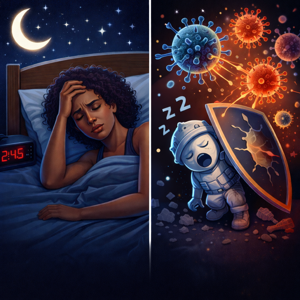
Sleep is often sacrificed in modern life. Late nights, early mornings, work demands, and screen use have turned sleep into a luxury instead of a necessity. Yet sleep plays a critical role in maintaining a healthy immune system.
Why Sleep Matters for Immunity
During sleep, the body carries out essential repair processes. The immune system uses this time to restore balance, regulate inflammation, and strengthen defenses against everyday stressors.
When sleep is consistently inadequate, these processes are disrupted.
Signs Sleep May Be Affecting Your Health
Poor sleep does not only cause tiredness. It may also show up as:
- Frequent colds or infections
- Slower recovery from illness
- Poor concentration
- Irritability or mood changes
- Low energy throughout the day
These signs are often normalized, but they are signals worth paying attention to.
Common Sleep Challenges in Africa
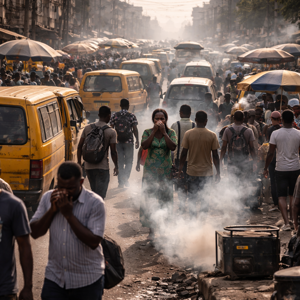
In many African cities, quality sleep is affected by:
- Irregular electricity supply
- Noise pollution
- Long commuting hours
- Shift work and multiple jobs
- Late-night screen use
These challenges make consistent sleep routines difficult but not impossible.
Improving Sleep Quality Naturally
You do not need expensive solutions. Simple habits can help:
- Keep a regular sleep and wake time
- Reduce screen exposure before bed
- Avoid heavy meals late at night
- Create a quiet, dark sleeping environment
- Get sunlight exposure during the day
Why Sleep Is Preventive Care
Good sleep supports immune balance, mental clarity, and physical resilience. Prioritizing sleep is one of the simplest ways to support long-term health.
Key takeaway: Sleep is not optional. It is foundational to immune health and overall well-being.



Add comment