

By Olor
What is Cancer?
Cancer refers to a broad category of diseases characterized by abnormal and uncontrolled cell growth with the ability to invade nearby tissues or spread to distant parts of the body. Because of this invasive and spreading capacity, such cancers are described as malignant. This distinguishes them from benign tumors, which grow locally and do not spread. Cancer belongs to a wider group of conditions known as neoplasms—abnormal masses of cells that result from uncontrolled growth and may appear as lumps or, in some cases, be widely dispersed throughout tissues.
The likelihood of developing certain cancers can be reduced through preventive lifestyle choices. These include maintaining a healthy body weight, avoiding tobacco use, moderating alcohol consumption, and eating a balanced diet rich in fruits, vegetables, and whole grains. Vaccination against some infectious diseases, limiting intake of processed and red meats, reducing consumption of smoked or heavily grilled foods, and minimizing prolonged exposure to intense sunlight are also important preventive measures. Early detection through screening has proven benefits for cancers such as cervical and colorectal cancer, although the advantages of routine breast cancer screening remain debated.
Signs and Symptoms
Common warning signs of cancer may include the presence of a lump (as in breast cancer), abnormal bleeding (such as in colorectal cancer), persistent cough (often associated with lung cancer), unexplained weight loss, and changes in bowel habits. While these symptoms can signal cancer, they are not specific and may result from other medical conditions, highlighting the importance of professional medical evaluation. In many cases, cancer develops without noticeable symptoms in its early stages, and signs often appear only as the tumor grows or causes tissue damage. Because cancer can mimic other illnesses, it is sometimes described as a “great imitator.”
A cancer diagnosis can have significant psychological effects, with many individuals experiencing anxiety or depression. Research indicates that the risk of suicide among people with cancer is approximately twice that of the general population.
Causes
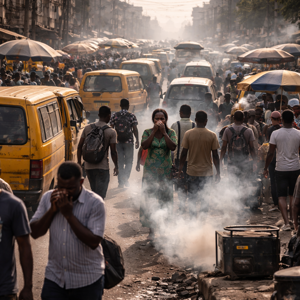
An estimated 90–95% of cancer cases arise from genetic mutations linked to environmental and lifestyle factors rather than inherited traits. These factors include behaviors and socioeconomic influences, not solely environmental pollution. The remaining 5–10% of cases are attributed to inherited genetic mutations. Major contributors to cancer-related deaths include tobacco use, poor diet and obesity, infections, exposure to ionizing and non-ionizing radiation, physical inactivity, and environmental pollution. Psychological stress is not considered a direct cause of cancer, though it may negatively affect outcomes in individuals who are already at risk or diagnosed.
Identifying the exact cause of a specific cancer is often difficult because many risk factors overlap and lack clear, identifiable markers. For example, although heavy tobacco use strongly increases the risk of lung cancer, other factors such as air pollution or radiation exposure may also play a role. Cancer itself is generally not contagious, except in rare cases such as transmission during pregnancy or through organ donation. However, some infectious agents—such as certain viruses—can increase cancer risk.
Lung cancer is strongly associated with smoking, and exposure to carcinogens has been linked to specific cancer types. Tobacco smoke, including secondhand smoke, accounts for the vast majority of lung cancer cases and is also linked to cancers of the larynx, head and neck, stomach, bladder, kidneys, esophagus, and pancreas. Globally, tobacco use is responsible for roughly one in five cancer deaths, with even higher proportions in developed countries.
Alcohol consumption is another risk factor, contributing to cancers of the liver and digestive tract, particularly in parts of Western Europe. Occupational exposure to hazardous substances may account for a notable percentage of cancer cases, including lung cancer, mesothelioma, and leukemia.
Diet and Physical Activity
Dietary habits, lack of physical activity, and obesity are associated with a substantial proportion of cancer deaths worldwide. Excess body weight has been linked to several types of cancer and contributes significantly to cancer mortality in countries such as the United States and the United Kingdom. Physical inactivity increases cancer risk not only by promoting weight gain but also by negatively affecting immune and hormonal systems. Overconsumption of food plays a larger role in diet-related cancer risk than inadequate intake of fruits and vegetables.
Certain foods and dietary practices are associated with specific cancers. High-salt diets are linked to gastric cancer, while exposure to food contaminants such as aflatoxin can cause liver cancer. Chewing betel nut has been associated with oral cancer. Differences in national dietary patterns help explain variations in cancer rates across countries, and these patterns often change when people migrate to new regions.
Treatment
Cancer treatment typically involves a combination of approaches, including surgery, radiation therapy, chemotherapy, and targeted therapies. Managing pain and other symptoms is a critical aspect of care, especially for individuals with advanced disease. Palliative care plays a key role in improving quality of life during disease progression. Survival outcomes depend on the type of cancer, how advanced it is at diagnosis, and how early treatment begins.



Add comment