
By Eteteonline Team
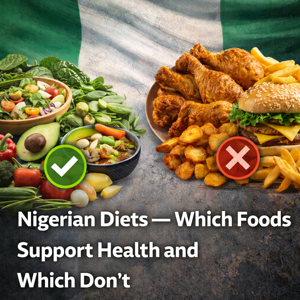
Food choices have changed significantly in Nigeria over the years. While traditional diets were largely based on whole foods, modern diets increasingly rely on processed and fast foods.
This shift has implications for long-term health.
Strengths of Traditional Nigerian Foods
Many local foods naturally support balanced nutrition:
- Beans, lentils, and legumes
- Vegetables such as ugu, okra, and bitter leaf
- Whole grains like millet and sorghum
- Fish and plant-based oils
- Locust beans (Iru, dawa-dawa, Keneg etc.)
- Ukwa (African Bread fruit)
- Acha (Fonio)
These foods provide fiber, vitamins, proteins, and nutrients that support digestion and immune health.
The Problem With Modern Additions
Highly processed foods now form a large part of daily diets:
- Sugary drinks
- Fried snacks and pastries
- Refined white flour meals
- Excessive oil and salt
Regular consumption may increase inflammation and strain the body.
Balance, Not Elimination
Healthy eating does not require abandoning cultural foods. Instead:
- Reduce portion sizes of fried meals
- Combine carbohydrates with vegetables and protein
- Replace sugary drinks with water or natural alternatives
- Cook more meals at home
Eating Well on a Budget
Healthy food does not have to be expensive. Local produce is often more affordable and nutrient-dense than packaged imports.
Key takeaway: Traditional Nigerian foods can support good health when prepared and consumed in balanced ways.




Awww🥰🥰🥰🥰🥰🥰
Brilliant post, informative and educational.
thanks