
By Eteteonline
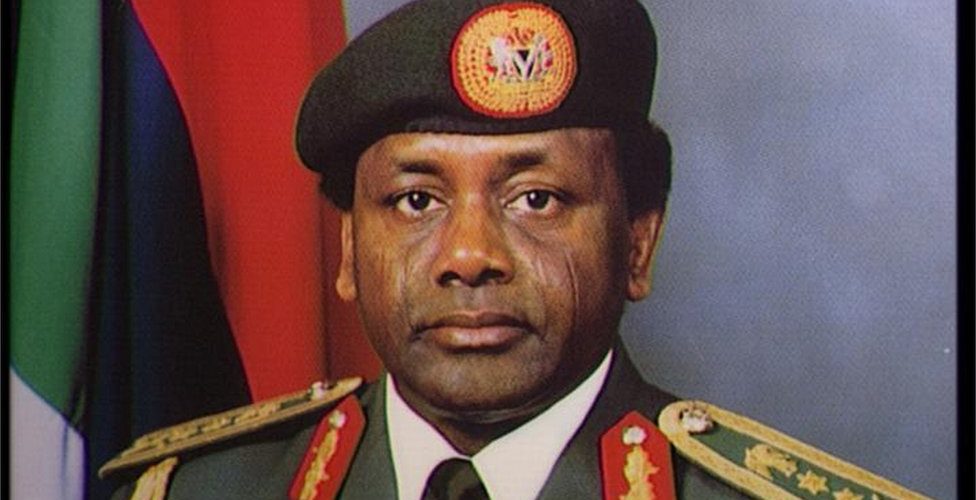
Nigeria was split into six geopolitical zones during General Sani Abacha’s political transition program (1994–1998), primarily to promote inclusion, ease administration, and achieve political balance.
With more than 250 ethnic groups and severe historical differences that worsened following independence and the civil war, the six zones were established to:
- Decrease the former regional structures’ dominance.
- Provide a more distinct sense of belonging to minority ethnic communities.
- Promote collaboration between states with similar political characteristics.
These are the six geopolitical zones:
- North East
- North West
- North Central
- South West
- South East
- South South
States with comparatively similar histories, cultures, and political objectives are grouped in each zone.
These zones were established in 1995 to distribute certain crucial offices in accordance with the 1995 Draft Constitution. The following offices were to be rotated and shared:
- President
- Vice President
- Prime Minister
- Deputy Prime Minister,
- Senate President
- Speaker of the House of Representatives.
In Nigerian politics, the issue of marginalization was therefore to be forgotten.
Since General Abacha’s death in June 1998 and the Draft Constitution’s failure to be implemented, this plan has never come to pass.
Why are the six geopolitical zones still relevant today after surviving the Abacha administration?
• The six zones are still helpful today for fostering political stability and power sharing. They support the balancing of government agencies, military leadership, cabinet positions, and other political appointments.
• Informally, power rotation and power-sharing arrangements are guided by the zonal structure.
• Even though the 1999 Constitution did not establish the zones, it upholds the Federal Character Principle.
• The zonal organization aids in administrative and development planning, including planning regional infrastructure, health, education, and other interventions; distributing projects and resources fairly; and organizing federal programs.
• The zones are used by political parties and electoral bodies to establish national coalitions, guarantee regional distribution in elections and leadership roles, and manage party structures.
The 1999 Constitution’s lack of legal validity for the six geopolitical zones is the main obstacle to the zonal arrangement. They are in place due to administrative procedures and political custom.
Another drawback is that, even after the zones were established more than 30 years ago, some groups continue to experience marginalization.



Add comment